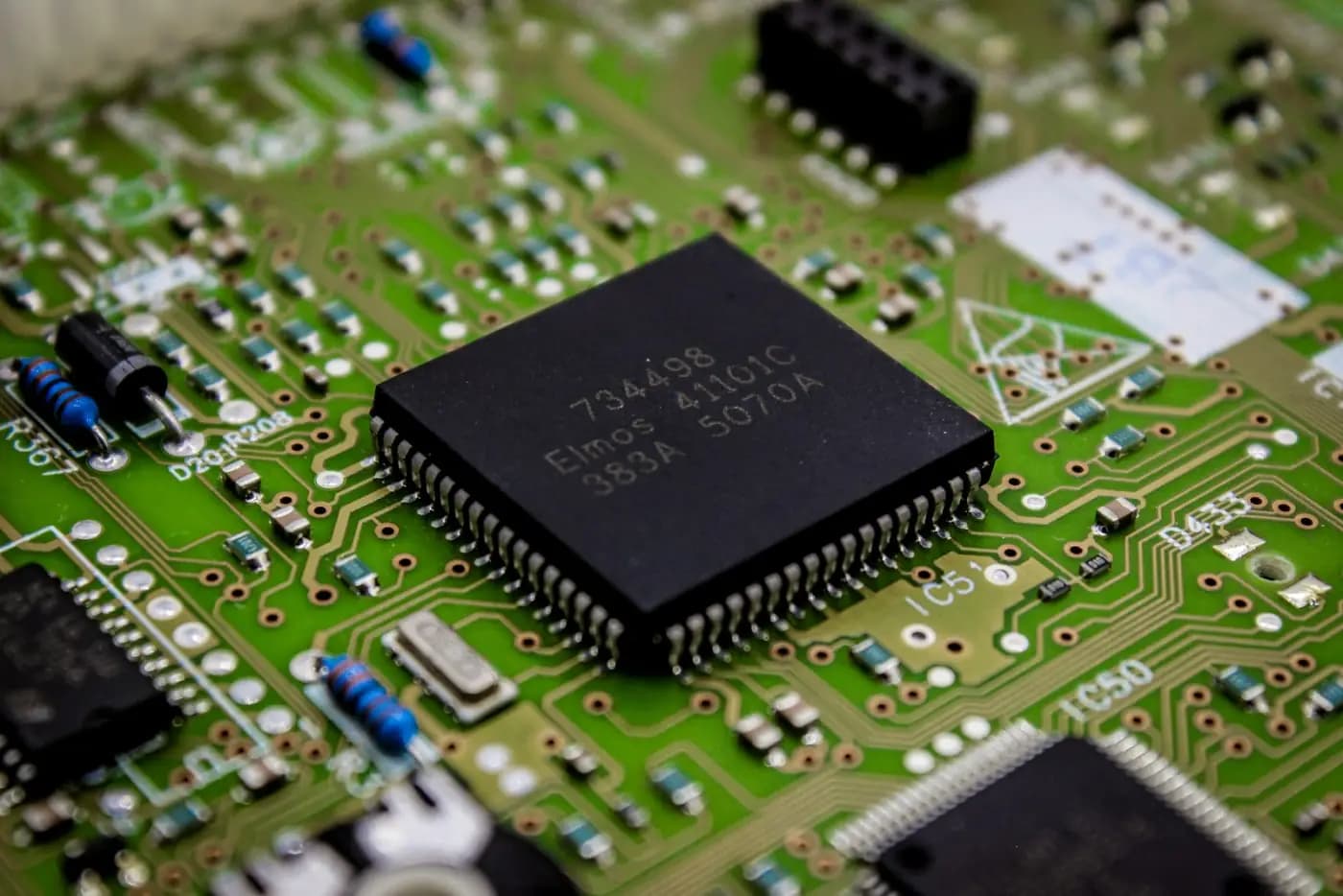
AI AOI for SMT Lines: 60% Fewer False Positives Than Classic AOI
Why Traditional AOI Is Reaching Its Limits
Traditional Automated Optical Inspection (AOI) is built on rule-based rigid templates: a feature is compared to a known-good CAD reference, deviations beyond a threshold are flagged. The approach worked when PCBs were dense but uniform. Today's SMT lines run 0201 components, package-on-package, and mixed CMS variants at speeds that make rule-based AOI generate too many false positives. The result is escalating manual rework, operator fatigue, and quality engineers spending more time tuning thresholds than improving the line.
What AI Visual Inspection Brings to the SMT Floor
AI visual inspection replaces the rigid threshold model with deep learning networks that learn what a defect looks like from real production data. The system isn't told what 'in spec' means in geometric terms, it learns it from thousands of accept and reject examples produced by your line. The difference shows up in three measurable areas:
- False positive rate drops 60-80% compared to traditional AOI, eliminating most of the manual rework station load.
- New product introduction time falls from days to hours: instead of writing inspection rules per component, the engineer labels a sample set and the system retrains.
- Subtle defects that rule-based AOI misses, partial solder voids, micro-bridges, off-axis component drift, are caught at the same speed as obvious ones.
Where AI Inspection Sits on the SMT Line
Most SMT operations adopt AI visual inspection at three points:
- Post-solder paste printing (SPI): verify deposit volume, alignment, and shape consistency before placement, catching paste problems early.
- Post-placement (pre-reflow): confirm every component is on the board, oriented correctly, with the right part number.
- Post-reflow (final AOI): inspect solder joints for missing, insufficient, bridged, or tombstone conditions.
A modern AI platform handles all three stations from a unified dashboard, so the line operator sees defect propagation across the process and engineers can trace root cause from board to placement to paste.
Sub-200 ms Decisions: Why Latency Matters
A typical SMT line processes one board every 5-8 seconds. Inspection latency above 200 ms per board starts to become a bottleneck on dense designs with multiple inspection regions. Modern AI inspection runs locally on edge hardware (NVIDIA Jetson, similar industrial accelerators), keeping inference deterministic and below the cycle threshold. Cloud inference is a non-starter for SMT cadence, round-trip latency alone exceeds the budget.
How AI Catches Solder Joint Defects
Solder joint inspection is where AI shows its biggest advantage over rule-based AOI. Defect classes include:
SMT line stuck with traditional AOI?
See how CondorVision integrates with your pick-and-place and reflow machines to cut false positives without replacing equipment.
See electronics solution- Missing solder (open joints), the model spots absence of joint geometry even when the component looks correctly placed.
- Insufficient solder, partial wetting and concave fillets that traditional AOI mis-categorizes as acceptable.
- Bridging, solder spans between pins, common on fine-pitch ICs.
- Tombstoning, a passive component lifted vertically off one pad, often caused by uneven paste deposit.
- Cold solder joints, dull, grainy finishes that indicate poor reflow profile.
The hardest defects to detect on an SMT line aren't the visible ones. They're the borderline joints that AOI marks as suspicious and humans then approve, only to fail in the field. AI eliminates that gray zone by learning the actual pass/fail boundary.
Training the Model for a New Board
Onboarding a new PCB into an AI inspection system has a clean workflow:
- Load the CAD or Gerber files into the system to seed component locations.
- Run the first build with all units imaged but no rejection, the system collects baseline data.
- An engineer labels 100-500 sample boards (typically a half day of work).
- The model trains on those samples and goes into production-ready mode in under 48 hours.
- The system continues learning from operator confirmations, improving over time.
Integration With MES and Traceability
An AI inspection system on its own catches defects, but the real value comes from tying every decision to the manufacturing execution system. Every board image, defect class, location, and operator confirmation is logged with the board serial number. When a customer return arrives, the entire production history of that exact board is available, paste deposit, placement, reflow profile, AOI decision. For OEMs in automotive, medical, and aerospace markets, this traceability is mandatory.
Cost Justification for AI AOI
The financial case for AI AOI converges from multiple angles. Reducing false positives by 60% directly cuts manual rework station labor in half. Catching defects pre-reflow instead of in field returns cuts warranty cost dramatically, a board that fails after assembly costs 10x more than one caught at SMT inspection, and field returns can cost 100x. New product introduction speed accelerates because engineers don't have to manually tune inspection rules. Most electronics manufacturers achieve full ROI on AI AOI deployments within 12-18 months.
Comparison: AI AOI vs Traditional AOI
If you're evaluating both options side by side, the meaningful axes are:
- False positive rate: traditional AOI 5-15%, AI AOI 0.5-3%.
- New board setup time: traditional AOI days of rule writing, AI AOI hours of labeling.
- Defect coverage on subtle classes (partial voids, micro-bridges): traditional AOI poor, AI AOI strong.
- Cycle time: comparable on both, both run under 200 ms per board.
- Total cost of ownership over 5 years: AI AOI typically 30-40% lower due to reduced rework and faster NPI.
Frequently asked questions
Often you can keep the cameras and reuse them. The deep change is on the software and compute side, the AI model runs on an edge inference unit alongside the existing rig, swapping the rule engine for a learned model.
Keep reading
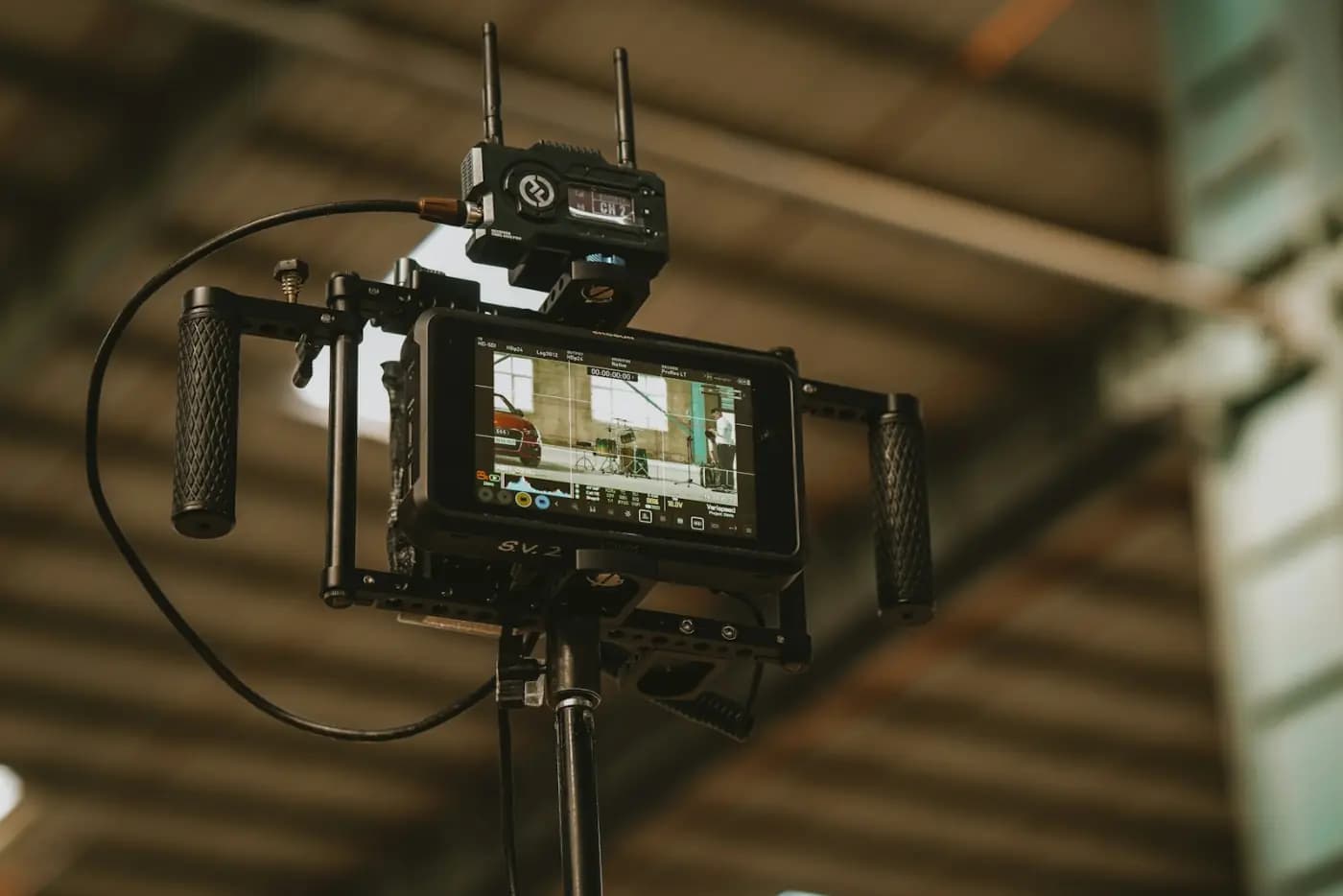
Packaging Defects: AI, Machine Vision or Manual Sampling?
Choosing the right defect detection system for a packaging line is harder than it should be. We compare the four approaches in production today, AI inspection, traditional machine vision, manual sampling, and X-ray, across cost, coverage and ROI.
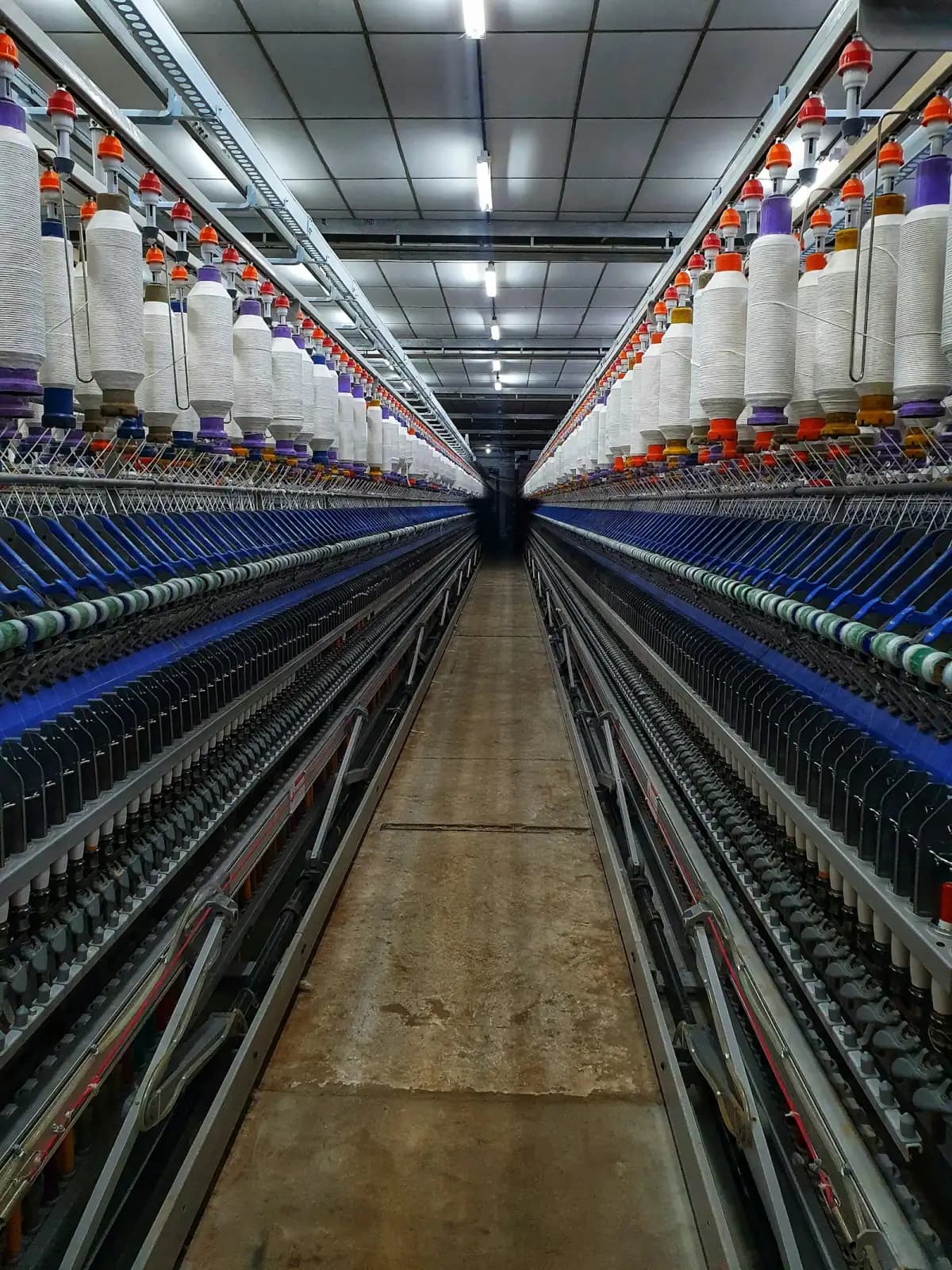
Fabric Defects: Detection 10x Faster Than Manual Inspection
Manual fabric inspection misses up to 35% of defects and costs operators hours per shift. AI-powered fabric defect detection catches every flaw in real time, on every meter of every roll. This guide covers how it works, what it catches, and how to choose a system.
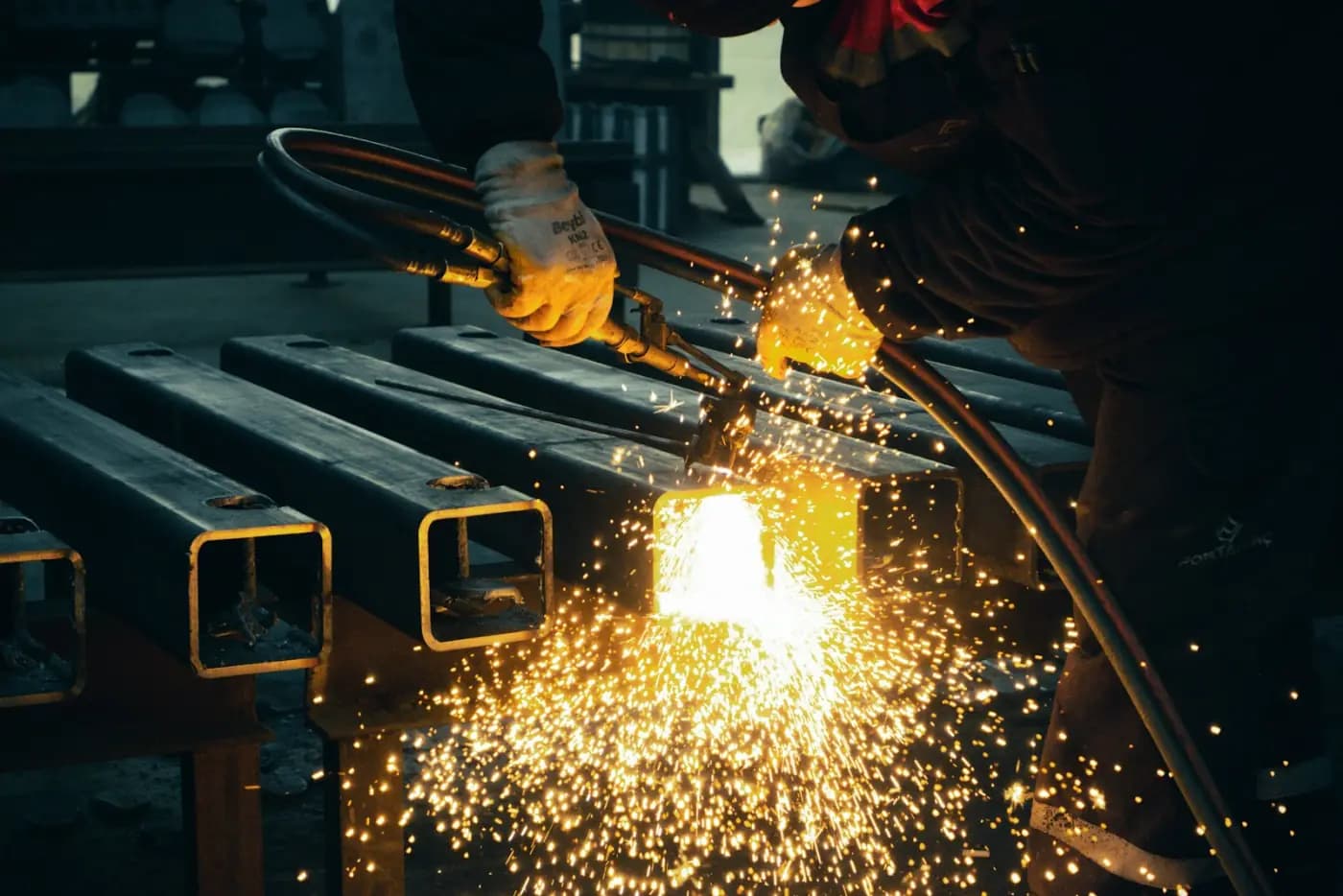
Weld, Surface and Dimensional Defects: How to Catch Them on the Line
Metallurgy lines run hot, fast and reflective, conditions that defeat traditional machine vision. AI inspection handles all three, catching weld defects, cracks and dimensional deviations on every part. Here's what it actually does and how to deploy it.
MODERNIZE YOUR SMT INSPECTION WITH AI
See how AI visual inspection eliminates false positives, catches subtle defects, and integrates with your existing SMT line. Book a tailored assessment.
BOOK AN ASSESSMENT