
12 Packaging Defects That Trigger the Worst Recalls
A packaging defect isn't just a damaged box. It's a recall risk, a retailer chargeback, a return, and a lost customer. Below are the 12 most common packaging defects in modern manufacturing, what causes each, and what an automated inspection system needs to detect them before they ship.
1. Misaligned or Wrinkled Labels
Labels off by a few millimeters, wrinkled from web tension issues, or peeling at the corners. The most visible defect on a shelf, the easiest to miss on a fast line. Root causes: applicator drift, adhesive temperature, web tension changes, label feeder jams. Detection requires high-resolution cameras with edge-detection plus OCR to verify the label is both placed correctly and legible.
2. Broken or Incomplete Seals
A pouch seal with a channel leak, a thermoformed tray with a partial weld, a heat-sealed lid with cold spots. These let air, contaminants, and moisture in, ruining shelf life and triggering food safety incidents. Often invisible to the naked eye, they're caught only when the customer opens a bag of stale chips or a leaking yogurt cup. AI inspection flags subtle seal-line irregularities humans cannot see.
3. Dented, Crushed or Deformed Containers
Aluminum cans with side dents, glass jars with off-round shoulders, PET bottles that look slumped after labeling. Cause: conveyor pressure, hot-fill warping, palletizer impact. Visual AI detects dimensional deviations in real time per unit.
4. Missing or Cross-Threaded Caps
A cap not present at all, a cap tilted because it skipped a thread, a tamper-evident band intact when it shouldn't be (or vice versa). Each scenario can trigger a recall in regulated industries. Inspection systems verify cap presence, vertical alignment, and tamper-evidence with a single station.
5. Incorrect or Unreadable Lot Codes
Ink-jet codes smudged, lots mismatched between primary and secondary packaging, expiration dates that read as nonsense when scanned. A common root cause of regulatory non-conformities and an audit headache. Industrial OCR plus AI catches every poorly printed character before it ships.
6. Short Fill or Overfill
Bottles 5 mL under specification, bags packed at 480 g instead of 500 g, cases shipped with missing units. Causes vary: filler calibration drift, foam buildup, sensor miscalibration. Vision-based fill-level checks combined with weighing data identify both ends of the problem.
7. Foreign Objects Inside the Package
Plastic shavings, hair, insects, fragments of equipment. Catastrophic in food and pharma. Visual AI catches what's visible on the conveyor; for hidden objects, AI is paired with X-ray or metal detection.
8. Incorrect Color or Print Quality
A brand red that looks pink under wrong lighting, a printed graphic with smudges, registration off-target. Damaging for brand consistency in retail and the easiest way to be rejected by a retail buyer. AI distinguishes acceptable color drift from genuine print failures, something hard for rule-based systems.
Catching all these defects today?
CondorVision flags all 12 critical packaging defects in real time, before shipment. Without slowing the line.
See packaging solution9. Missing or Wrong Product Inside
A multi-pack with one cavity empty, a kit shipped without the assembly instructions, the wrong SKU in the right box. Inspection stations after pack-out verify weight, count, and visual signature of the contents before sealing.
10. Damaged Corrugated Cases
Holes in the corner, crushed sides from forklift impact, water staining. Often the first thing the customer sees. Vision systems on the palletizer infeed catch damaged cases before they go into the load.
11. Incorrect Barcode or Unreadable Symbology
A barcode at the wrong position, the wrong GS1 prefix, a DataMatrix that fails to decode. In serialized industries (pharma, electronics), this means the unit cannot be aggregated and is effectively scrap. Verifier-grade vision systems grade barcodes in real time per ISO 15416.
12. Wrong Pallet Pattern or Mixed Loads
A pallet built with cases facing the wrong way, mixed SKUs where uniformity was required, a missing layer. Top-of-pallet vision verifies the load pattern matches the order before the pallet wraps and leaves the line.
Catching Every Defect With AI Inspection
Traditional vision systems handle defects 1, 3, 4, 6 and 11 well, they're rule-based and the defect is geometric or character-level. They struggle with defects 2, 7, 8, 9, anything requiring nuanced visual judgment. This is where AI inspection moves the needle: a single learning system covers every defect class on the list, adapts to new SKUs without code rewrites, and ships with a real-time dashboard so you see defect rate by type, line, and shift.
Every defective package that reaches a customer represents not just a failed product, but a failure of the entire quality system. AI inspection shifts from sampling to 100% verification, eliminating the statistical blind spots.
What to Look for in an Inspection System
If you're evaluating an automated packaging inspection system, the must-have capabilities are:
- Coverage of all 12 defect classes above on a single platform (avoid one vendor per defect type).
- AI models that retrain on your specific products, not generic factory-floor models.
- Sub-20 ms inference per unit so the inspection doesn't bottleneck the line.
- Standard industrial integration: OPC-UA, Modbus, Ethernet/IP for rejection signals.
- Real-time dashboard with defect rate by type, line, shift, and SKU.
- Full audit trail (image, decision, operator, lot) for HACCP, BRC, GMP audits.
Frequently asked questions
Misaligned or wrinkled labels and broken seals are the two most common defects across food, beverage, and consumer goods, accounting for over 40% of reported packaging failures.
Keep reading
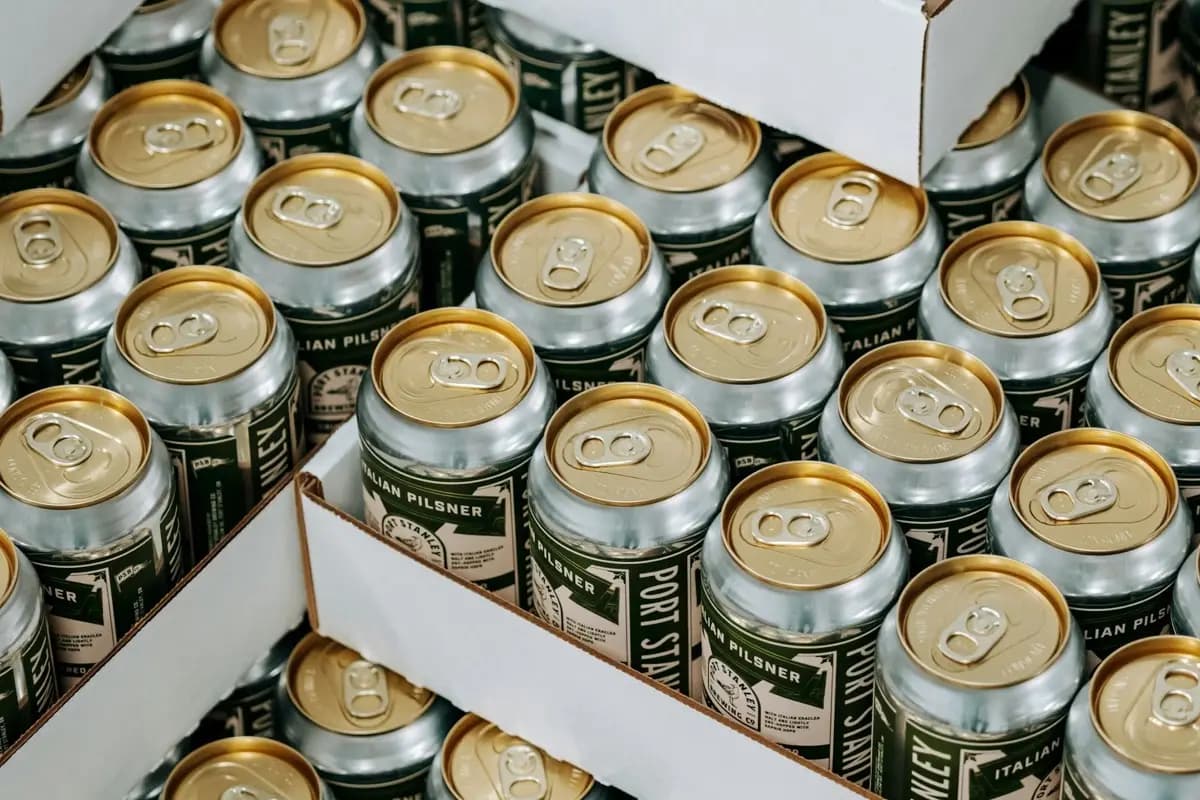
7 Packaging Defects Behind the Most Expensive Recalls
A compromised seal, a misaligned label, a dented container. The packaging defects no one sees are the ones that cost the most. Learn how to catch them before they reach your customers.
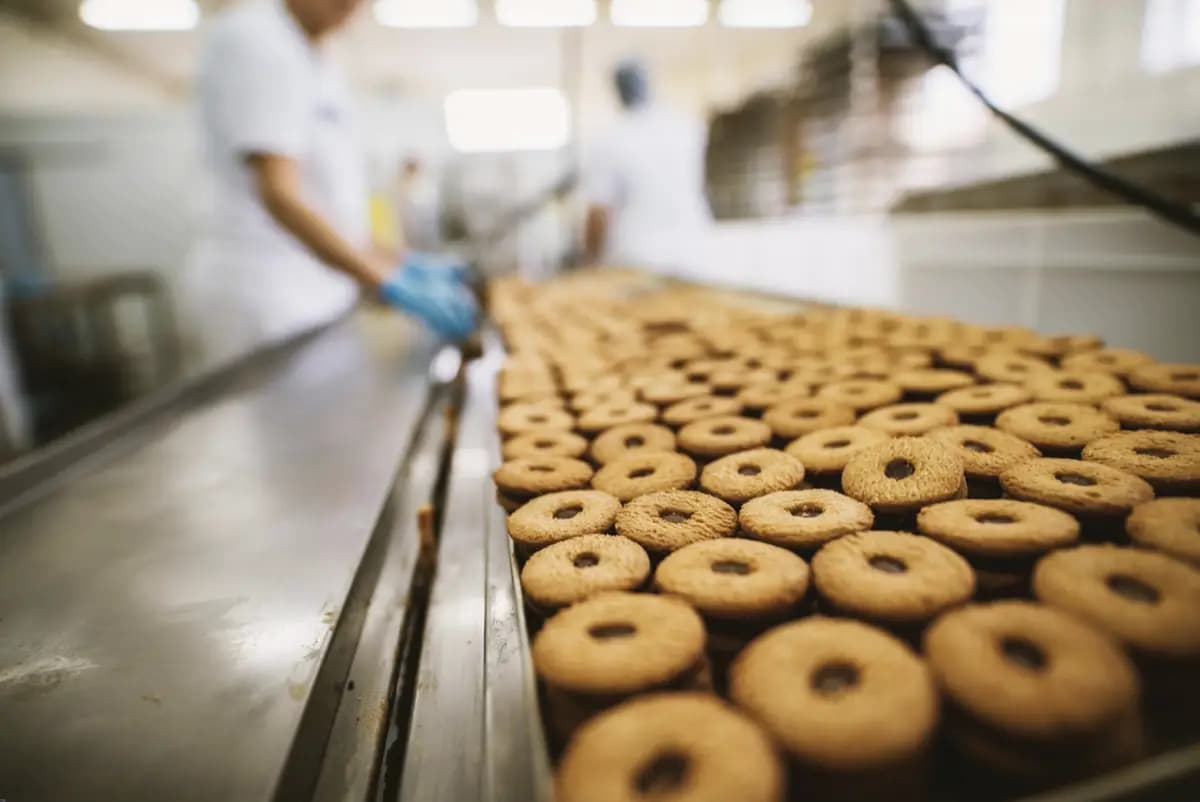
Food Recalls Cost 100x More Than Catching the Defect on the Line
A single packaging defect that reaches consumers can cost 100x more than catching it on the line. Discover how modern inspection systems check 100% of production in real time.
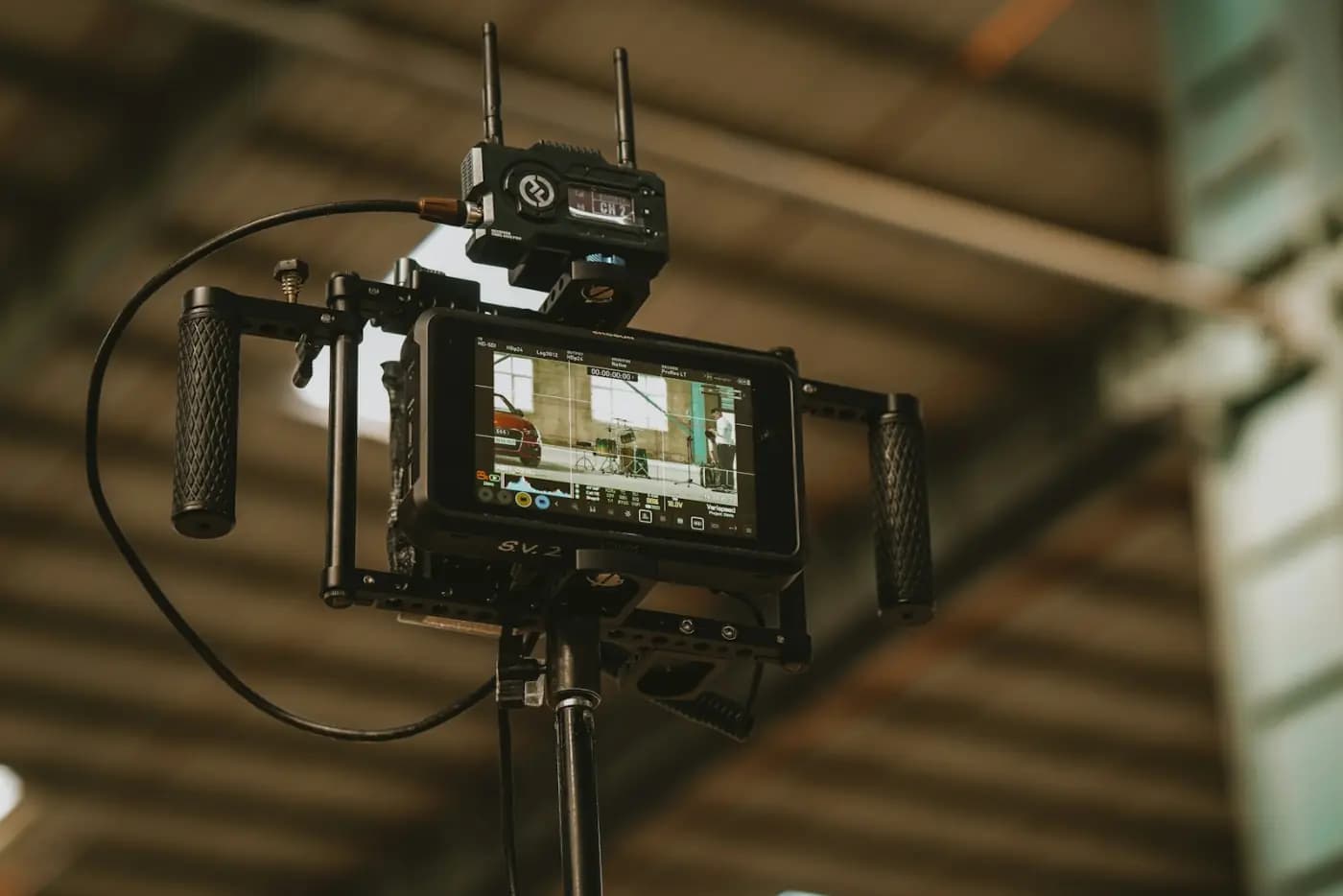
Packaging Defects: AI, Machine Vision or Manual Sampling?
Choosing the right defect detection system for a packaging line is harder than it should be. We compare the four approaches in production today, AI inspection, traditional machine vision, manual sampling, and X-ray, across cost, coverage and ROI.
STOP PACKAGING DEFECTS BEFORE THEY REACH YOUR CUSTOMERS
See how AI inspection catches every one of the 12 defects on this list in real time. Request a personalized assessment for your packaging line.
REQUEST AN ASSESSMENT