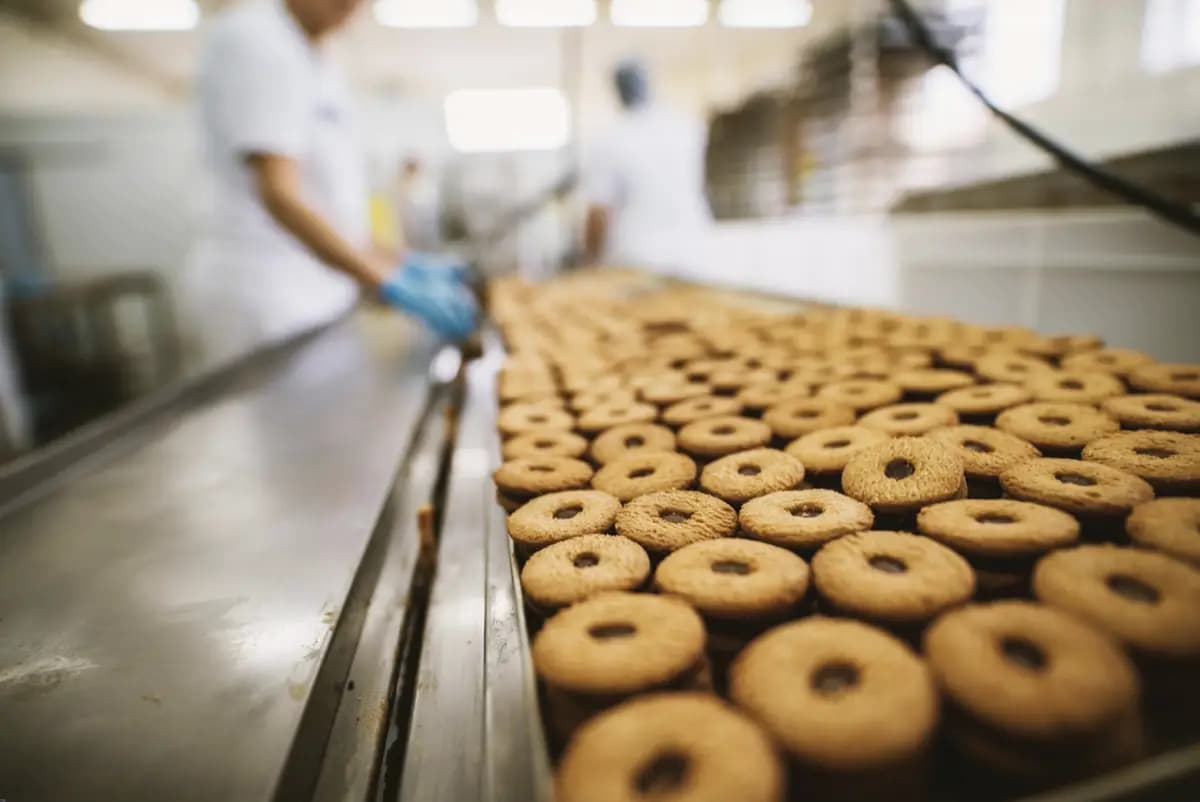
Food Recalls Cost 100x More Than Catching the Defect on the Line
The Growing Challenge of Quality Control in Food Manufacturing
Food and beverage manufacturers face enormous pressure to maintain consistent quality across thousands of units per hour. Traditional manual inspection methods catch only a fraction of defects, leading to costly recalls, regulatory penalties, and damaged brand reputation. With consumer expectations rising and compliance requirements tightening, the industry needs a smarter approach. AI-powered quality control systems use computer vision and deep learning to inspect every single product on the line, detecting defects that are invisible to the human eye and operating at speeds no manual team can match.
How Automated Inspection Works on the Production Line
An AI quality control system integrates directly into existing production lines using high-resolution cameras, specialized lighting, and edge computing hardware. As each product passes through the inspection station, the cameras capture images from multiple angles. Deep learning models, trained on thousands of examples of both acceptable and defective products, analyze these images in real time. The system classifies each unit as pass or fail within milliseconds, triggering automatic rejection mechanisms such as pneumatic ejectors or diverter arms to remove defective items without slowing down the line. The entire process runs continuously, 24 hours a day, without fatigue or inconsistency.
Key Applications in Food & Beverage Production
AI-powered inspection addresses the most critical quality checkpoints across food and beverage manufacturing:
- Packaging integrity inspection: Detecting dents, tears, seal failures, and contamination on bottles, cans, pouches, and cartons before they leave the facility.
- Label verification: Confirming correct label placement, orientation, print quality, barcode readability, expiration dates, and allergen information on every unit.
- Fill level control: Measuring liquid or solid fill levels with sub-millimeter accuracy to ensure every container meets weight and volume specifications.
- Foreign object detection: Identifying contaminants, particles, or unexpected objects inside transparent or semi-transparent packaging using advanced imaging techniques.
- Cap and closure inspection: Verifying proper sealing, torque, tamper-evident band integrity, and cap alignment to prevent leaks and spoilage.
- Color and appearance grading: Sorting products by visual characteristics such as color uniformity, surface texture, shape, and size to maintain brand consistency.
HACCP Compliance and Traceability Through AI
Hazard Analysis and Critical Control Points (HACCP) compliance demands rigorous documentation and monitoring at every stage of food production. AI quality control systems generate comprehensive digital records for every inspected unit, including timestamped images, defect classifications, and pass/fail decisions. This data feeds directly into traceability platforms, enabling manufacturers to trace any product back to its exact production moment. When auditors or regulatory bodies request documentation, the system provides instant access to complete inspection histories. This level of traceability not only satisfies FDA, USDA, and EU food safety regulations but also dramatically reduces the scope and cost of recalls by pinpointing exactly which batches are affected.
Producing food or beverages?
Catch defective containers, broken seals and fill deviations on the line, before a recall costs you 100 times more.
See food & beverage solutionManufacturers who implement AI-powered inspection typically see defect escape rates drop by over 90%, while simultaneously reducing false rejection of good products by 40-60%. The result is higher quality reaching consumers and significantly less waste on the production floor.
Measurable Benefits for Food Manufacturers
Organizations that deploy AI quality control in their food and beverage lines report measurable improvements across key operational metrics:
- Up to 99.5% defect detection accuracy, compared to 70-80% with manual inspection.
- 30-50% reduction in product waste through precise rejection of only truly defective items.
- Real-time production dashboards that provide instant visibility into quality trends and line performance.
- Significant reduction in recall risk due to complete traceability and consistent inspection standards.
- Lower labor costs by reallocating quality inspectors to higher-value tasks such as process optimization.
- Faster line speeds enabled by automated inspection that does not create bottlenecks.
Getting Started: Integration and Deployment
Deploying an AI quality control system does not require replacing your existing production infrastructure. Modern solutions are designed as modular add-ons that integrate with conveyors, sorters, and rejection mechanisms already in place. The implementation process typically begins with a line assessment to identify the highest-impact inspection points, followed by camera and lighting installation, model training on your specific products, and a validation phase to fine-tune accuracy. Most deployments are fully operational within weeks, not months. Once live, the system continuously learns and improves, adapting to new product variants, packaging changes, and evolving quality standards without requiring a complete retraining cycle.
Keep reading

12 Packaging Defects That Trigger the Worst Recalls
From broken seals to misaligned labels, the 12 packaging defects that cause the most expensive recalls in manufacturing. See real examples, root causes, and how automated inspection catches each defect before it leaves your plant.
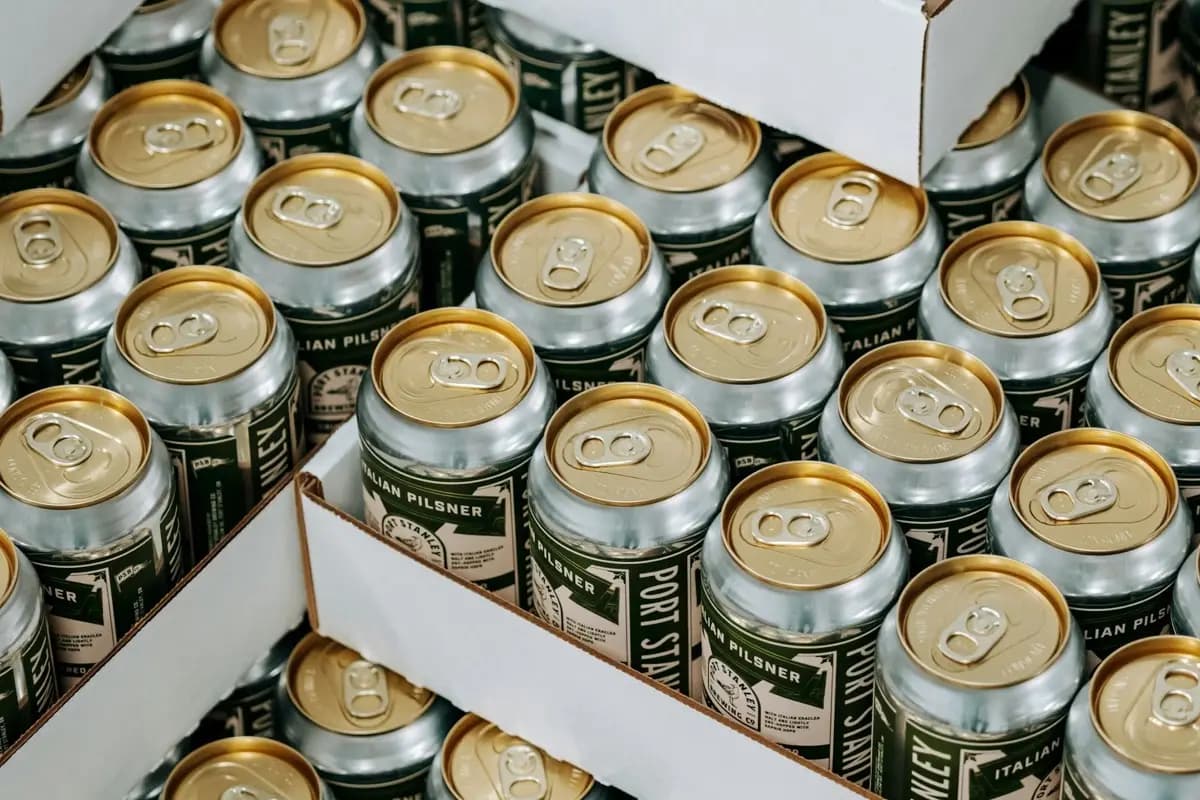
7 Packaging Defects Behind the Most Expensive Recalls
A compromised seal, a misaligned label, a dented container. The packaging defects no one sees are the ones that cost the most. Learn how to catch them before they reach your customers.
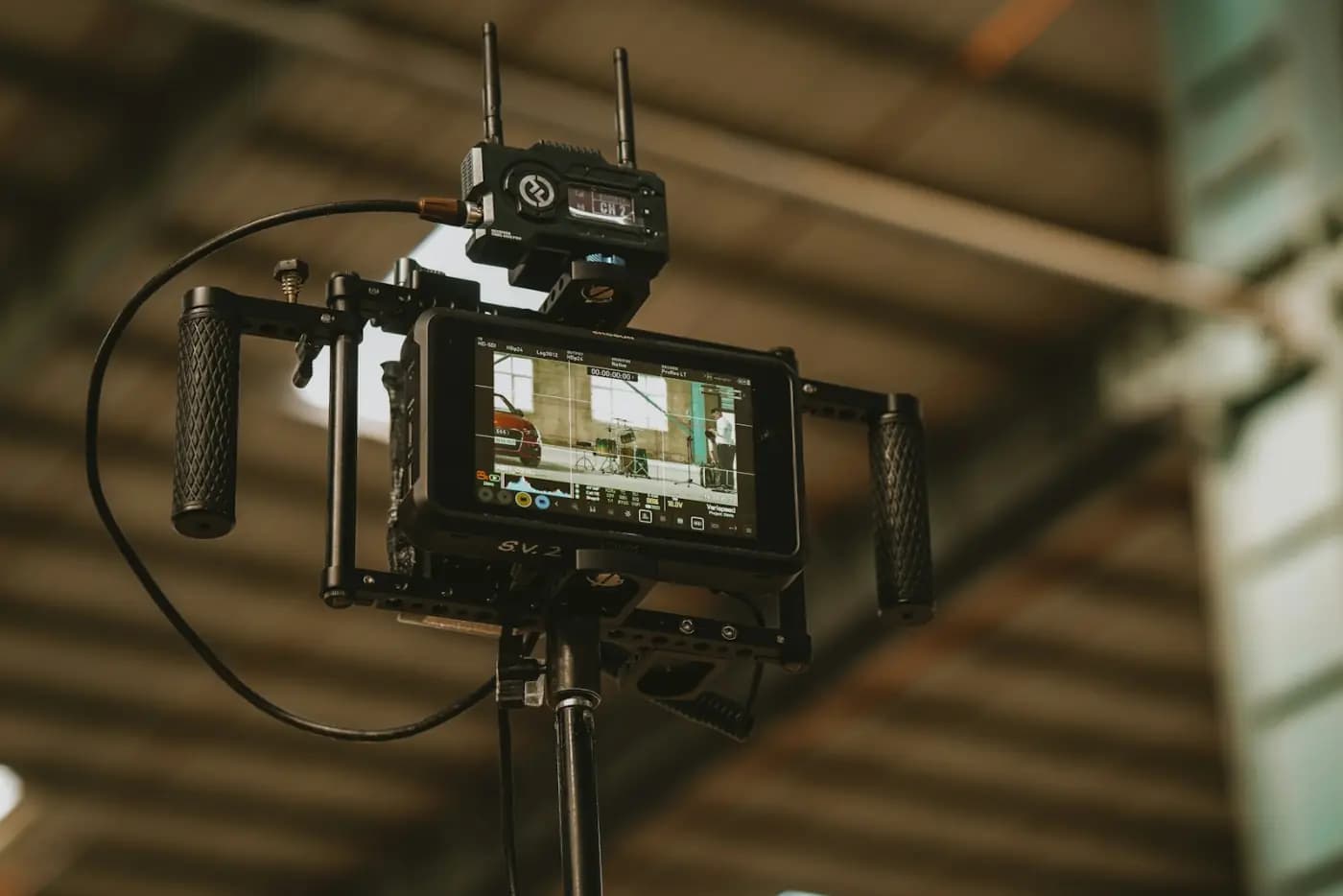
Packaging Defects: AI, Machine Vision or Manual Sampling?
Choosing the right defect detection system for a packaging line is harder than it should be. We compare the four approaches in production today, AI inspection, traditional machine vision, manual sampling, and X-ray, across cost, coverage and ROI.
READY TO STOP LOSING PRODUCT TO UNDETECTED DEFECTS?
Book a free demo and see how automated inspection checks 100% of your production in real time.
BOOK A FREE DEMO