7 Packaging Defects Behind the Most Expensive Recalls
Why Packaging Defects Are So Costly
Packaging is the last line of defense between your product and the consumer. A single defect, whether it is a misaligned label, a compromised seal, or a dented container, can trigger a product recall, expose your company to regulatory fines, and erode consumer trust that took years to build. The financial impact extends far beyond the cost of the defective unit itself. Recall logistics, legal exposure, retail penalties, and brand damage can multiply the cost of a single packaging failure by orders of magnitude. Traditional quality control methods that rely on random sampling or periodic manual checks simply cannot keep pace with modern high-speed production lines, where thousands of units pass through every minute.
How Automated Inspection Detects Packaging Defects
Computer vision systems powered by artificial intelligence analyze every unit on the production line using high-speed cameras and deep learning algorithms. Unlike rule-based machine vision that relies on pre-programmed thresholds, AI models learn to recognize defects from real-world training data. This means the system can detect subtle and complex issues such as micro-cracks, inconsistent print quality, slight color deviations, and partial seal failures that would escape both human inspectors and conventional machine vision. The cameras capture images at rates exceeding 100 frames per second, and the AI processes each frame in under 20 milliseconds, enabling 100% inspection coverage without any reduction in line speed.
Types of Packaging Defects Detected by Automated Inspection
AI-powered inspection systems can identify a comprehensive range of packaging defects across different materials and formats:
- Seal integrity failures: incomplete heat seals, channel leaks, and contamination in seal areas that compromise product freshness and safety.
- Label defects: misalignment, wrinkling, missing labels, incorrect SKU, illegible barcodes, and print smudging across all label types.
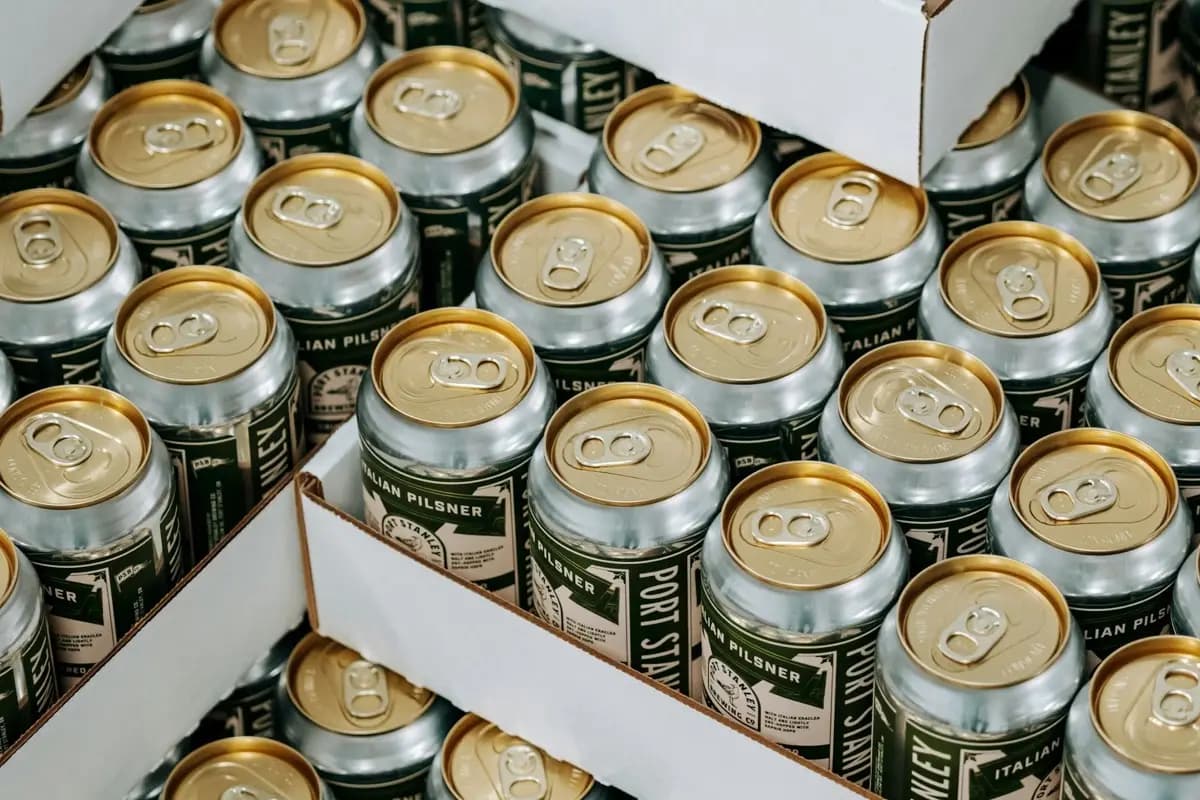
- Container damage: dents, scratches, cracks, and deformations on bottles, cans, jars, cartons, and flexible pouches.
- Closure problems: cross-threaded caps, missing tamper-evident bands, improper snap-fit closures, and torque inconsistencies.
- Print and coding errors: incorrect lot numbers, missing or unreadable expiration dates, and regulatory text omissions.
- Dimensional deviations: out-of-spec dimensions, warped containers, and shape irregularities that affect shelf presentation or case packing.
Every defective package that reaches a retailer or consumer represents not just a failed product, but a failure of the entire quality system. AI inspection shifts the paradigm from sampling-based detection to 100% verification, eliminating the statistical blind spots that allow defects to escape.
The Direct Impact on Waste Reduction
One of the most significant advantages of AI-powered inspection is its ability to dramatically reduce both defect escapes and false rejections. Traditional systems often over-reject good products because their rigid thresholds cannot distinguish between cosmetic variations that are acceptable and genuine defects that compromise quality. AI models learn nuanced decision boundaries that mirror the judgment of your best quality inspectors, but applied consistently to every single unit. The result is a substantial decrease in unnecessary waste. Manufacturers typically report 30 to 50 percent reductions in false rejection rates after deploying AI inspection, meaning more good product reaches customers while fewer resources are wasted on discarding perfectly acceptable units. Simultaneously, defect escape rates drop to near zero, preventing the downstream waste associated with recalls and returns.
Run a packaging line?
CondorVision catches crooked labels, broken seals and wrong fills in real time, before product leaves the plant.
See packaging solutionReal-Time Analytics and Continuous Improvement
Beyond catching defects, AI inspection systems generate a continuous stream of production data that enables proactive quality management. Real-time dashboards display defect rates by type, line, shift, and product SKU, allowing quality managers to identify emerging trends before they escalate into serious problems. If a sealing machine begins to drift out of specification, the system detects the increasing defect rate within minutes, not hours. This data-driven approach transforms quality control from a reactive gatekeeping function into a strategic tool for continuous process improvement. Historical inspection data also supports root cause analysis, helping engineering teams trace recurring defects back to specific equipment, materials, or process parameters.
Integration with Existing Production Lines
Modern AI inspection solutions are designed for seamless integration into existing packaging operations:
- Modular hardware that mounts directly onto conveyors without structural modifications to the production line.
- Standard industrial communication protocols (OPC-UA, Modbus, Ethernet/IP) for integration with PLCs, SCADA, and MES systems.
- Flexible camera configurations that accommodate different packaging formats, sizes, and line speeds without hardware changes.
- Automatic rejection interfaces that connect to pneumatic ejectors, diverter arms, and sorting mechanisms already in place.
- Cloud or on-premise deployment options with edge computing for latency-sensitive inspection points.
- Rapid model retraining capabilities that allow the system to adapt when you introduce new products or packaging designs.
Building a Business Case for Automated Inspection
The return on investment for AI-powered packaging inspection is driven by multiple converging factors. Reduced waste from fewer false rejections directly improves material yield. Near-zero defect escapes eliminate the catastrophic costs associated with recalls and retailer chargebacks. Labor savings from replacing manual inspection stations free up skilled workers for higher-value roles. Faster changeover times, enabled by software-based product switching instead of mechanical adjustments, increase overall equipment effectiveness. Most manufacturers achieve full payback on their AI inspection investment within 12 to 18 months, with ongoing savings that compound year over year as the system handles new products and higher volumes without proportional cost increases.
Keep reading

12 Packaging Defects That Trigger the Worst Recalls
From broken seals to misaligned labels, the 12 packaging defects that cause the most expensive recalls in manufacturing. See real examples, root causes, and how automated inspection catches each defect before it leaves your plant.
Industry 4.0: Plants Without Real-Time Data Lose 18% Productivity
In many plants, production moves forward without real data. Cycle times aren't measured, micro-stops go undetected, and problems surface when it's already too late. Industry 4.0 changes that.
6 Hidden Costs in Manufacturing That Eat 25% of Your Revenue
Waste, returns, unplanned downtime: the costs you do not see on your production floor can represent up to 25% of revenue. Learn how to identify and eliminate them with real data.
STOP DEFECTS BEFORE THEY REACH YOUR CUSTOMERS
See how automated packaging inspection can reduce waste and protect your brand. Request a personalized assessment today.
REQUEST AN ASSESSMENT