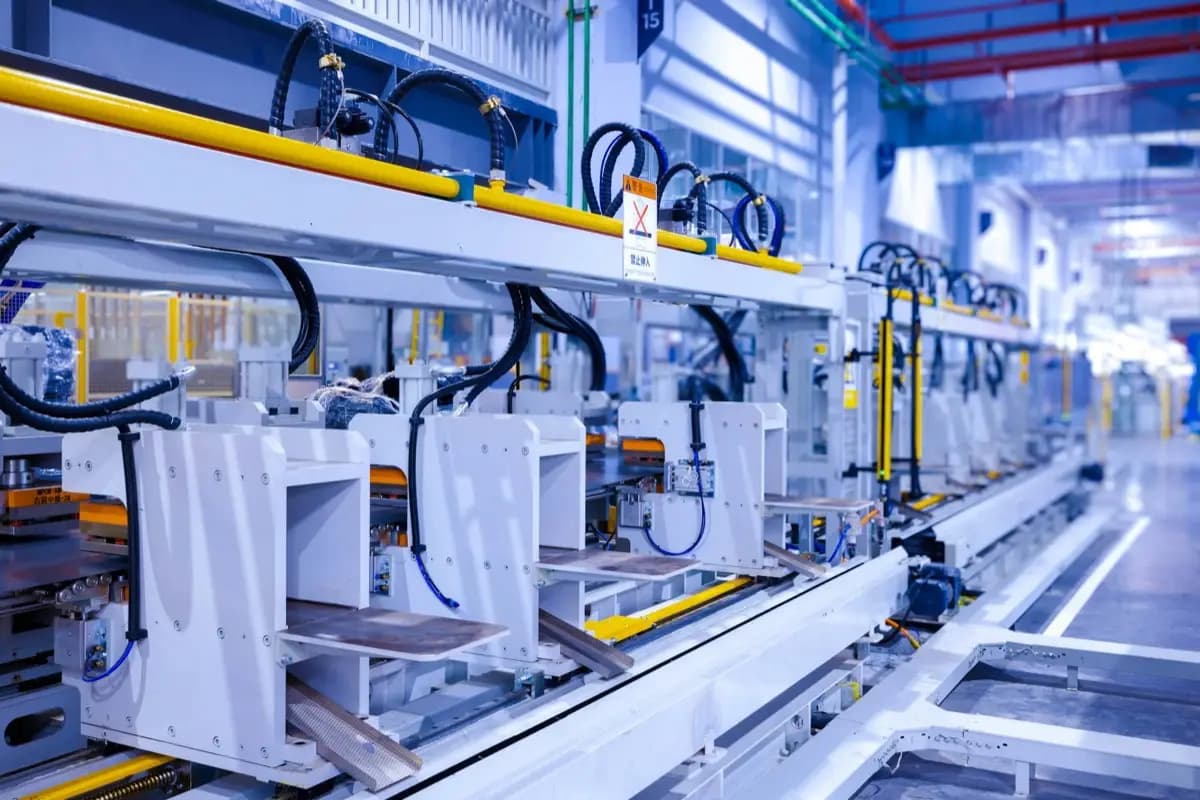
6 Hidden Costs in Manufacturing That Eat 25% of Your Revenue
The Real Cost of Poor Quality in Manufacturing
Manufacturing defects are far more expensive than most companies realize. The visible costs, scrapped materials and rework labor, represent only a fraction of the total impact. Hidden costs include unplanned downtime, expedited shipping for replacement orders, warranty claims, customer chargebacks, and the long-term erosion of brand equity. Industry research consistently shows that the cost of quality failures typically ranges from 15 to 25 percent of total revenue in manufacturing organizations that rely on traditional quality control methods. For a mid-sized production facility generating 50 million dollars in annual revenue, that translates to 7.5 to 12.5 million dollars lost to quality-related costs every year. Artificial intelligence and computer vision technology offer a fundamentally different approach, one that addresses the root causes of these costs rather than simply managing their symptoms.
Five Hidden Cost Drivers in Manufacturing (And How to Eliminate Them)
AI-powered quality control impacts the bottom line through multiple interconnected mechanisms that compound over time:
- Waste reduction: AI inspection distinguishes between true defects and acceptable variations with far greater precision than manual methods, reducing false rejections by 40 to 60 percent and saving materials that would otherwise be discarded unnecessarily.
- Labor optimization: Automating visual inspection frees quality personnel from repetitive, fatigue-prone tasks. A single AI system replaces the inspection capacity of 4 to 8 manual inspectors while delivering higher accuracy around the clock.
- Recall prevention: Near-zero defect escape rates eliminate the catastrophic financial exposure of product recalls, which can cost anywhere from hundreds of thousands to tens of millions of dollars per incident depending on scale.
- Downtime reduction: Real-time defect trend analysis detects equipment drift and process deviations early, enabling predictive maintenance interventions that prevent unplanned stoppages costing thousands of dollars per hour.
- Throughput improvement: Because AI inspection operates at full line speed without creating bottlenecks, manufacturers can increase production rates without sacrificing quality, effectively reducing the per-unit cost of inspection to near zero.
ROI Analysis: What the Numbers Look Like
The return on investment for AI quality control systems depends on production volume, defect rates, and product value, but the payback period is consistently short across industries. Consider a production line running 500,000 units per month with a historical defect rate of 3 percent. Manual inspection catches roughly 75 percent of defects, meaning 3,750 defective units escape to customers each month. AI inspection raises the detection rate to 99 percent or higher, reducing escapes to under 150 units. If each escaped defect costs an average of 25 dollars in returns, chargebacks, and brand impact, the monthly savings from reduced escapes alone exceed 90,000 dollars. Add the savings from reduced false rejections, labor reallocation, and downtime prevention, and the total monthly value generated by the system typically ranges from 120,000 to 200,000 dollars. Against an implementation cost that is a fraction of these annualized savings, most deployments achieve full payback within 6 to 14 months.
The question is no longer whether manufacturers can afford to implement AI quality control. Given the scale of quality-related losses in traditional operations, the real question is whether they can afford not to. Every month without automated inspection is a month of preventable waste, avoidable recalls, and missed efficiency gains.
Reducing Energy and Resource Consumption
Beyond direct quality costs, AI-powered inspection contributes to broader operational efficiency and sustainability goals. By catching defective products earlier in the production process, manufacturers avoid spending energy, water, and raw materials on finishing, packaging, and shipping products that will ultimately be rejected or returned. Process optimization driven by inspection data helps engineering teams fine-tune parameters like temperature, pressure, and speed to minimize resource consumption while maintaining quality standards. Some manufacturers report 10 to 15 percent reductions in energy consumption per unit after implementing AI-driven process optimization alongside automated inspection. These savings align with growing regulatory requirements and customer expectations around sustainable manufacturing practices.
See what hidden costs are taking from you
Estimate the real impact of hidden costs in your plant in 2 minutes. Defects, micro-stops and rework quantified with your own numbers.
Run my ROIScaling Savings Across Multiple Lines and Facilities
The cost advantages of AI quality control multiply as organizations scale deployment across their operations:
- Centralized model management allows quality standards developed on one line to be deployed across all facilities instantly, ensuring consistency without duplicating training effort.
- Cross-line analytics reveal systemic quality patterns that would be invisible when analyzing individual lines in isolation, enabling organization-wide process improvements.
- Standardized inspection criteria eliminate the variability between shifts, sites, and individual inspectors that inflates quality costs in manual operations.
- Incremental deployment models let manufacturers start with the highest-impact line, prove the ROI, and expand systematically using the savings generated by early deployments to fund subsequent ones.
- Software-based product changeovers eliminate the mechanical setup time and calibration costs associated with traditional inspection equipment, reducing changeover time from hours to seconds.
From Cost Center to Competitive Advantage
The most forward-thinking manufacturers are discovering that AI quality control does more than reduce costs. It transforms quality from a defensive expense into a strategic differentiator. With complete inspection data on every unit produced, companies can offer quality guarantees that competitors using sampling-based methods simply cannot match. They can respond to customer quality inquiries with specific, data-backed evidence rather than statistical estimates. They can win contracts with demanding customers in regulated industries by demonstrating inspection capabilities that exceed requirements. The operational data generated by AI inspection also feeds into continuous improvement programs, creating a virtuous cycle where better data leads to better processes, which leads to lower costs and higher quality simultaneously. In markets where margins are tight and competition is intense, this combination of cost reduction and quality differentiation creates a sustainable advantage that is difficult for competitors to replicate.
Keep reading
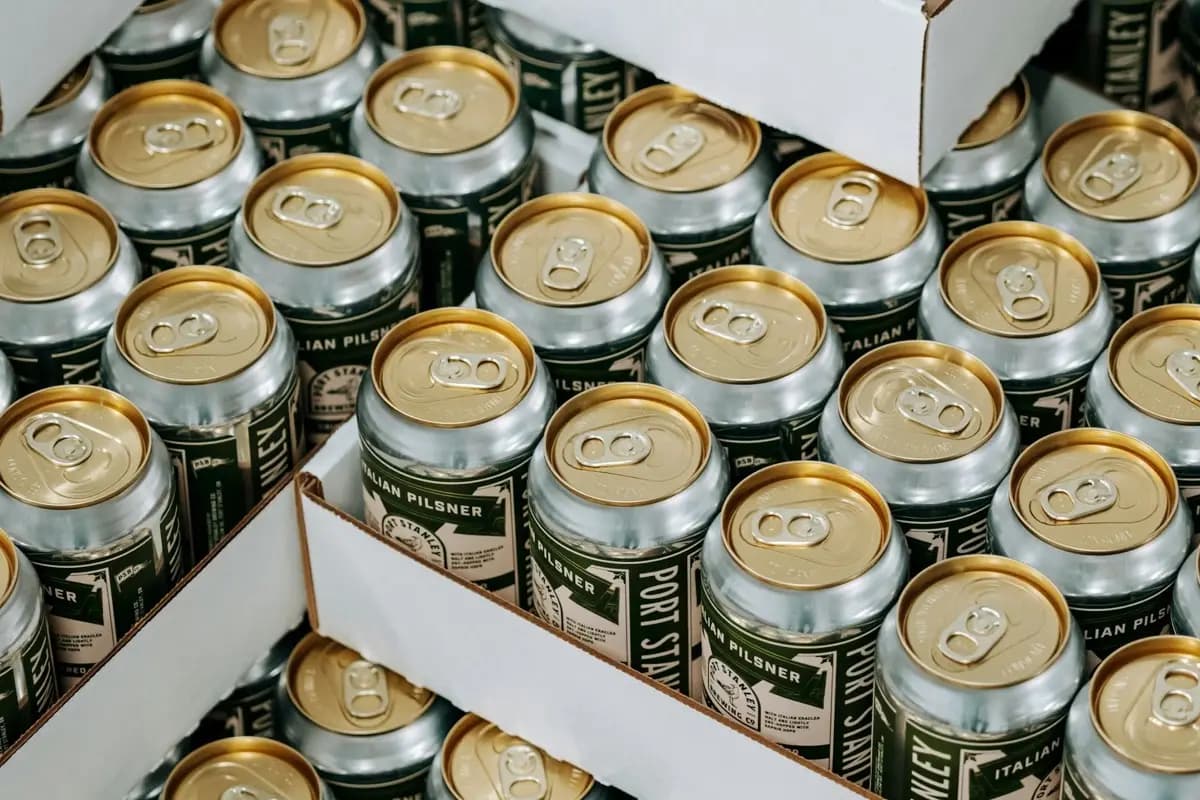
7 Packaging Defects Behind the Most Expensive Recalls
A compromised seal, a misaligned label, a dented container. The packaging defects no one sees are the ones that cost the most. Learn how to catch them before they reach your customers.
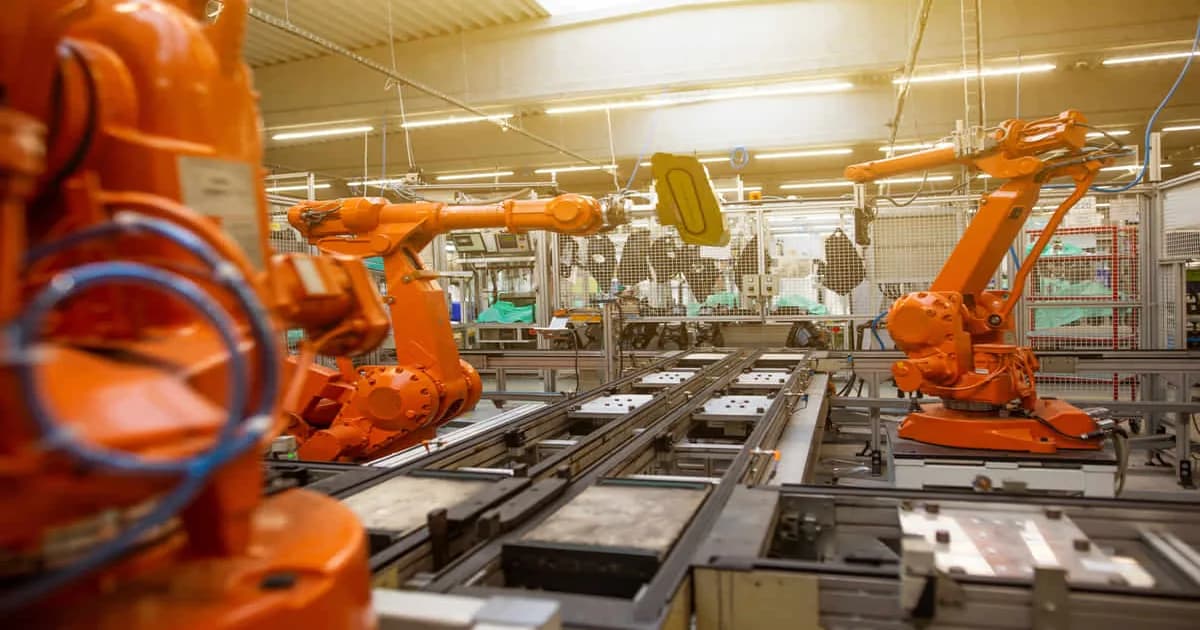
Industry 4.0: Plants Without Real-Time Data Lose 18% Productivity
In many plants, production moves forward without real data. Cycle times aren't measured, micro-stops go undetected, and problems surface when it's already too late. Industry 4.0 changes that.

Food Recalls Cost 100x More Than Catching the Defect on the Line
A single packaging defect that reaches consumers can cost 100x more than catching it on the line. Discover how modern inspection systems check 100% of production in real time.
HOW MUCH ARE DEFECTS REALLY COSTING YOUR PLANT?
Get a customized cost analysis based on your production volume, defect rates, and operational data. No obligation.
GET YOUR FREE ROI ANALYSIS